How SAP Business One Ends Manual Data Entry

The Hidden Tax of Manual Data Entry
Every Indian business that runs on spreadsheets and disconnected software pays a hidden tax: the cost of entering the same information over and over again. A sales order gets typed into an Excel sheet. The same details are re-entered into the accounting software. The warehouse team copies item codes into their own register. Purchasing creates a separate record. By the time a single transaction flows through the organisation, the same data has been keyed in four or five times by different people.
It is slow, and it is expensive. Every re-keyed document is paid staff time spent copying information the business already has, and every copy is another chance to introduce an error that someone else must find and fix later.
Where Duplicate Entry Hurts Most
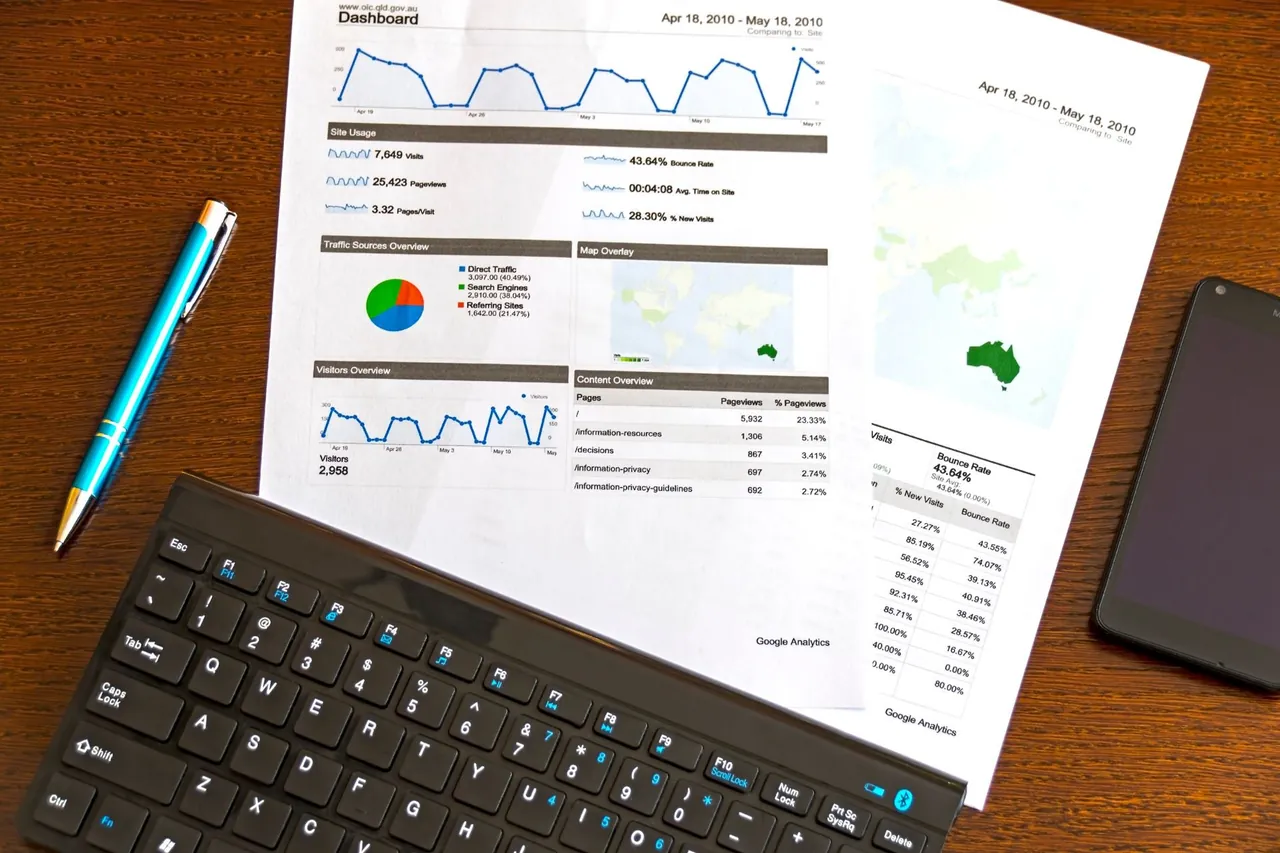
The damage from manual re-entry goes far beyond wasted hours. Let us look at where it hits hardest:
- Sales to accounts: Sales creates a quotation, which becomes an order, which becomes a delivery note, which becomes an invoice. In most companies, each stage is a fresh data entry exercise. One wrong HSN code or quantity mismatch creates a GST compliance headache that takes days to resolve.
- Purchasing to inventory: A purchase order is raised in one system, the goods receipt is logged in another, and the invoice verification happens in a third. Discrepancies between what was ordered, what arrived, and what was billed are caught weeks later, if they are caught at all.
- Inventory to production: If you are a manufacturer, the bill of materials lives in one place while stock levels live in another. Production planners make decisions based on data that is already outdated by the time they see it.
- Everything to finance: The accounts team becomes the bottleneck, spending the last week of every month reconciling numbers that should have matched from day one.
How SAP Business One Solves This
SAP Business One eliminates duplicate data entry by design. It is not a bolt-on integration between separate systems. It is a single, unified platform where every department works from the same data.
One Transaction, One Entry
When a sales executive creates a quotation in SAP B1, that quotation can be converted into a sales order with one click. The sales order flows into a delivery note, and the delivery note flows into an A/R invoice. At each stage, no one re-types anything. The item codes, quantities, prices, tax rates, and customer details carry forward automatically.
Real-Time Inventory Updates
The moment a goods receipt is posted against a purchase order, inventory levels update across the entire system. The warehouse sees the new stock. Production planning sees the available raw materials. Finance sees the liability. No one needs to inform anyone. The system handles it.
Automatic Financial Postings
Every transaction in SAP B1 (a sale, a purchase, an inventory transfer, a production receipt) creates the corresponding journal entry automatically. The accounts team does not re-enter a single invoice. Month-end closing becomes a verification exercise rather than a data-entry marathon.
GST Compliance Built In
With SAP B1 and our EInvoice addon and EWayBill addon, tax compliance happens as a natural byproduct of normal business operations. HSN codes, tax rates, and GSTIN numbers are master data: set once and applied automatically to every transaction. E-invoices and e-Way Bills generate directly from the same data without any re-entry.
The Departments That Benefit Most
Sales
Sales teams can see real-time stock availability before making commitments. They can check a customer's outstanding balance before extending credit. They can convert a quotation to an order in seconds rather than creating a new document from scratch.
Purchasing
Purchase orders can be generated automatically based on MRP (Material Requirements Planning) runs. The system knows what is needed, when it is needed, and who to order it from, based on existing master data and consumption patterns.
Warehouse
Warehouse staff work from system-generated pick lists and put-away lists. Barcode scanning ensures the right items move to the right locations. Cycle counts reconcile physical stock against system stock without shutting down operations.
Finance
The finance team gets clean, reconciled data flowing in from every department. Instead of spending 80% of their time on data entry and reconciliation, they can focus on analysis, cash flow management, and strategic financial planning.
What This Means in Practice
Consider a typical order-to-cash cycle in a company that has implemented SAP Business One:
- Step 1: Customer enquiry comes in. Sales checks stock availability in SAP B1: real-time, accurate.
- Step 2: Quotation created in the system. Customer approves.
- Step 3: One click converts the quotation to a sales order. All data carries forward.
- Step 4: Warehouse receives a pick list automatically. Goods are dispatched.
- Step 5: Delivery note converts to an A/R invoice. E-invoice is generated and sent to the NIC portal automatically.
- Step 6: Finance sees the receivable. Payment tracking begins. Ageing reports update in real-time.
Six steps, one data entry point. Zero re-keying. Zero reconciliation headaches.
The ROI of Eliminating Manual Entry
What businesses gain when they move from disconnected systems to SAP Business One:
- Data entered once at the source, instead of re-keyed in every department
- Far fewer entry errors, because there is no copying step to get wrong
- Month-end closing measured in days, not weeks
- GST filing preparation reduced from days to hours
- Real-time visibility into cash flow, stock levels, and order status
Is Your Business Ready?
If your team is spending more time entering data than analysing it, the problem is not your people. It is your systems. SAP Business One is designed specifically for small and mid-sized businesses that need enterprise-grade integration without enterprise-grade complexity.
At Indivar Software Solutions, we have been implementing SAP Business One for Indian businesses since 2009. We understand the specific challenges: GST compliance, multi-location operations, jobwork tracking, and the need for solutions that work on Indian internet speeds. Book a free assessment for an honest, no-obligation read on whether SAP B1 is the right fit for your business.
Written by the Indivar team
Consultants and engineers delivering business process, security and infrastructure work since 2009: 30+ years of senior architecture experience, SAP Partner since 2015.