Food & Beverage ERP: Shelf Life and FSSAI Compliance
The Unique ERP Needs of Food and Beverage Companies
Food and beverage manufacturing in India is booming. With a growing middle class, rising urbanisation, and changing consumption patterns, the sector is projected to reach $535 billion by 2026. But growth brings complexity. F&B companies must manage perishable inventory, maintain strict quality standards, comply with FSSAI regulations, and handle the operational challenges of products with limited shelf life.
A generic ERP can handle your accounting and basic inventory. But it will not tell you which batch of milk powder is expiring next week, whether your latest production run meets FSSAI microbiological standards, or which raw material supplier has been consistently failing quality checks. For that, you need an ERP built for the food and beverage industry.
Shelf Life Management: The Core Challenge
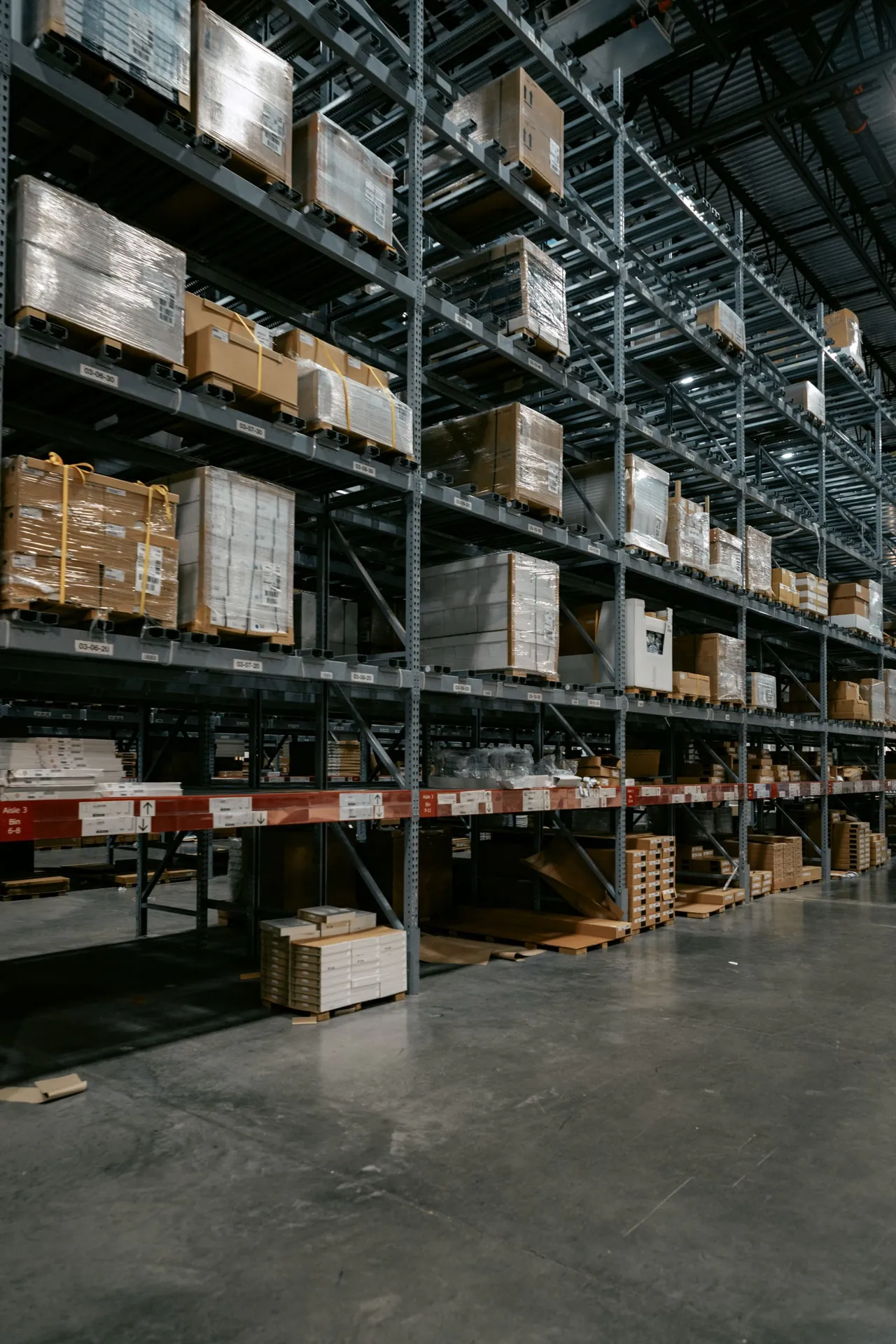
Unlike durable goods, food products have a ticking clock. From the moment raw materials arrive at your facility, shelf life is counting down. Managing this across hundreds or thousands of SKUs, multiple warehouses, and diverse product categories is the central operational challenge for F&B companies.
FEFO Picking and Dispatch
First Expiry, First Out (FEFO) is not just best practice in F&B. It is a regulatory expectation. SAP Business One with our batch management extensions enforces FEFO picking automatically:
- Automatic batch selection: When a sales order is created, the system picks the batch closest to expiry that still meets the customer's minimum shelf life requirement
- Customer-specific shelf life rules: Modern trade retailers often require a minimum remaining shelf life (e.g., 60% of total shelf life). The system enforces these rules per customer
- Near-expiry alerts: Dashboard notifications when products approach expiry thresholds, enabling proactive clearance sales or stock transfers
- Expiry-based write-offs: Automated identification and documentation of expired stock for accounting and regulatory purposes
Raw Material Shelf Life
It is not just finished goods that expire. Raw materials (flavourings, preservatives, dairy ingredients, packaging materials with printed dates) all have shelf lives that must be tracked. The system ensures that expired raw materials are quarantined and cannot be issued to production.
Quality Control for Food Safety
Food safety is non-negotiable. A single contamination incident can destroy a brand that took decades to build. Your ERP must support quality control at every stage of the production process.
Incoming Raw Material Inspection
Every raw material lot must be inspected before it enters production. Our QC Addon for SAP B1 supports configurable inspection parameters for F&B:
- Organoleptic testing (appearance, colour, odour, taste)
- Moisture content analysis
- Microbiological testing (total plate count, yeast and mould, coliforms, E. coli)
- Chemical parameters (pH, acidity, peroxide value, aflatoxin levels)
- Physical parameters (foreign matter, insect damage, broken percentage)
In-Process Quality Checks
During production, critical control points must be monitored. The QC Addon allows you to define checkpoints at each production stage and record results directly against the production order:
- Temperature monitoring during processing and storage
- Weight and fill level verification
- Metal detection check records
- Packaging integrity verification
- Label accuracy checks
Finished Goods Testing
Before any batch is released for sale, it must pass final quality testing. The system enforces a hold-test-release workflow: finished goods are quarantined until QC approves the batch, and no sales order can be fulfilled from an unreleased batch.
FSSAI Compliance: What Your ERP Must Handle
The Food Safety and Standards Authority of India (FSSAI) is the apex regulatory body for food safety. Compliance with FSSAI regulations is mandatory for all food businesses in India. Your ERP must support:
Licence and Registration Management
- FSSAI licence tracking: Monitor licence validity and renewal schedules for each manufacturing unit, warehouse, and sales office
- Product approval tracking: Maintain records of FSSAI product approvals and standards applicable to each product category
- Label compliance: Ensure that product labels contain all FSSAI-mandated information (nutritional values, allergen declarations, FSSAI logo and licence number)
Traceability Requirements
FSSAI requires food businesses to maintain traceability records that allow identification of suppliers and customers for any given product batch. This "one step back, one step forward" traceability is a fundamental requirement that SAP B1's batch management supports natively.
- Supplier traceability: Link every raw material batch to its supplier, purchase order, and incoming inspection results
- Production traceability: Record which raw material batches were used in each production batch
- Distribution traceability: Track which customers received products from each production batch
Recall Readiness
FSSAI mandates that food businesses must have a documented recall procedure. With batch-level traceability in SAP B1, you can identify all affected customers within minutes of a recall decision and generate recall notifications automatically.
Formula and Recipe Management
Food manufacturing involves recipes with precise ingredient proportions. Your ERP must handle:
- Bill of Materials (BOM) with percentages: Define recipes using percentage-based formulations, not just fixed quantities
- Yield management: Track actual versus expected yield for each production run
- Ingredient substitution: Handle situations where alternative ingredients are used due to availability or cost
- Allergen tracking: Flag products that contain or may contain specific allergens based on their ingredient BOMs
- Nutritional calculation: Compute nutritional values for finished products based on ingredient compositions
Distribution and Cold Chain
Getting food products from factory to consumer while maintaining quality requires careful logistics management. SAP B1 helps manage:
- Temperature-controlled dispatch: Ensure that cold chain products are assigned to appropriate transport
- Route optimisation: Plan delivery routes to minimise transit time for perishable products
- Distributor management: Track stock at distributor locations with visibility into their shelf life status
- Returns handling: Process returns of damaged or expired products with proper documentation and disposal records
GST Compliance for F&B
Food products in India span multiple GST slabs, from 0% for unprocessed foods to 5%, 12%, 18%, and even 28% for certain processed foods. Managing this complexity across a large product portfolio requires careful master data management and automated tax determination. SAP B1 handles this natively, and our EInvoice and EWayBill add-ons ensure compliance with e-invoicing and e-Way Bill requirements.
Why SAP Business One for Food and Beverage
SAP Business One is used by food and beverage companies worldwide because it offers the right balance of power and flexibility. It is sophisticated enough to handle complex manufacturing, distribution, and compliance requirements, yet accessible enough for mid-sized companies that do not have large IT departments.
Combined with our industry-specific add-ons for quality control, batch management, and GST compliance, SAP B1 becomes a complete solution for F&B companies operating in the Indian market.
If your food or beverage business is outgrowing its current systems, or if you are struggling with shelf life management, quality control, or FSSAI compliance, we can help. Book a free assessment and we will show you how SAP Business One can be configured for your specific requirements.
Written by the Indivar team
Consultants and engineers delivering business process, security and infrastructure work since 2009: 30+ years of senior architecture experience, SAP Partner since 2015.